I recently posted an article about how some look to AI as a means for simplifying their lives and finding better ways for using the time they hoped to gain back. And although I was pleased to hear from folks interested in learning more, the queries were often about other ways in which AI could simplify their lives. Some even expressed how AI might provide them with a way to spend more time with their loved ones or reconnecting with nature. I get it. Ever since modern, chip-based technologies entered the mainstream, people have been looking for ways in which these tools might simplify their lives. Yet the more we embedded these personal data assistants into the daily flow of our existence, something happened: We surreptitiously ceded our pockets of freedom to a machine incapable of discerning freedom from work versus freedom of mind. By the time AI entered our consciousness, we had rewired our brains into believing that technology was a tool for simplifying our life. But that was merely a convenience; what we relinquished was our clarity of thought. This dilemma led me to the revelation that there was something else I needed to explore: The ethos of sensitivity.
I love when people see or read something that suddenly helps them realize that there may be a foundational component missing in their lives. But we often look for something like AI to bring about a certain measure of simplicity when in reality it’s masking the true nature of our wants. In the example of folks wanting to spend more time with family or enjoying the outdoors, I kept wondering if they were looking to rekindle attachments or merely expand group activities that may not allow time for emotional authenticity and connection. You can choose to spend the day outdoors doing all manner of activities without ever once enjoying nature’s greatest gifts – that of tranquility, contemplation and the joys of experiencing the incredible amount of life happening all around you. It’s where your desires to connect deeply with one another are clouded by the purported simplicity that technology provides through portable or cloud solutions. Ubiquitous technology is a wonderful thing until it becomes insidious. It’s when our demands for simplicity slowly begin to encroach on our sensitivities. And yet it’s never a purposeful intent; it’s a quintessential matter of not being able to see the forest for the trees. In the search for greater solutions and more command over our own lives, we lose sight of something whose value seems to drop off our radar. And that’s because from every harried existence, a little bit of common sense will fall.
Sure; AI might be able to emulate sensitivity and innocence better than a 19th century theatrical ingénue. But it’s not poised to steal our ability to be empathetic any more than the camera was once believed to be able to steal someone’s soul. Yet it’s AI’s ability to provide gobs of information (real or otherwise) that can potentially steer us towards a belief that facts increase our fortitude more so than our feelings. And regardless of what some may think about physical strength and prowess as being the new foundational principles for the 21st century’s Profiles in Courage, feelings lead us to empathy and compassion – two very necessary emotions that lie at the center of what drives courage.
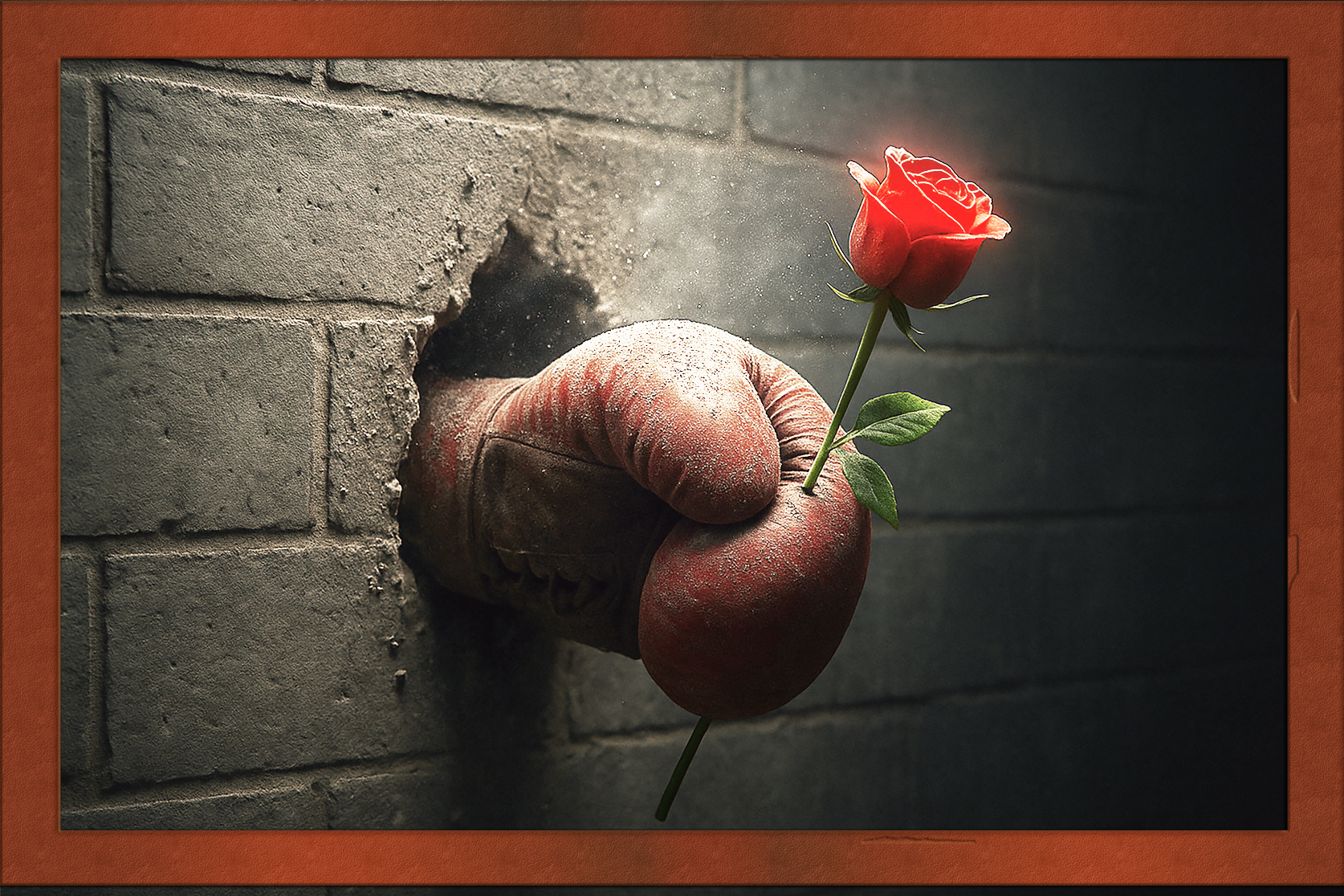
In a fractured society where efficiency often upstages empathy, bullies abound. And that’s because they understand that being sensitive forces them to be keenly aware of their own fears. And if there is something that a bully recognizes, is that sensitivity is the kryptonite to their bravado. Heroic actions without thought or with an absolution from consequence is what give the bully carte blanche to barrel through those places or instances that make a sensitive person leery to rush into. Sensitive people understand that fears often need to be overcome for a higher purpose; one that abhors unfairness or the wanton disregard for the rights and freedoms of others. If you wonder what those people look like, you may have seen a few of them on streets, parks, and hamlets across the U.S. on June 14th and then again on October 18th.
Last century (i.e., the early 1990s) psychologists began addressing those individuals with deep sensitivities. These are people who carry such traits as being empathetic, reflective, conscientious, detailed oriented and exceedingly kind. Labeled as Highly Sensitive People (HSP), individuals with these traits (and others) tend to be highly susceptible to changes in certain social or environmental situations more so than the average person. For someone with HSP, introspection, purpose and understanding are an essential part of the wheelhouse that guides their actions. Their minds work exceedingly fast yet will find certain technologies – especially those within entertainment – to be exceedingly challenging. And that is because they live in a purposeful world. One that reveres the truth and considers ‘skipping over things’ as the beginnings of entropy. Interestingly enough, some of the traits of people identified as HSP are seen as assets in highly effective leaders. And that’s because sensitivity doesn’t avoid simplicity; it celebrates it. But like everything else within an organized world, simplicity needs to get to the crux of its purpose – therein lies the foundations for truth, peace, and successful collaborations across the board. To put it succinctly, sensitive people rush in where angels never fear to tread.
Final Thoughts
Being a sensitive person is neither a panacea nor a deficiency, but it is a necessity in this world. The whole of the arts owes its existence to sensitivity, and the very nature of most religions on Earth are based on a foundation of love, kindness, and sacrifice – the very cornerstones of sensitivity. Some of the world’s greatest heroes went through a reckoning of sorts, facing their fears while balancing the value of their own lives for the sake of helping those unable to help themselves. Being sensitive doesn’t mean that you’re a coward; it means that you recognize that bravery without contemplation can sometimes save no one. Being sensitive doesn’t mean that you’re weak; it means that you value appraisal over reprisal.
Being sensitive means that you hear, see, feel, and understand the world better than most, and it’s that awareness that reminds us all of the beautiful and often indefinable gifts we possess in this world that many are willing to throw away for transitory gains that are meaningful only to themselves.
Yes, we’re living in a fractured society. One in which every transient possession is being flaunted as the most valuable, priceless, or powerful things we possess. Sensitive people don’t see that, and neither do people of courage; only bullies see that. Sensitive people understand that it’s what resides in the hearts of those we love and admire that hold the most value. That those people filled with great passion and understanding who rose against their own fears for the sake of others possessed the greatest gifts that will live on forever. That was the intention of democracy; people who care will certainly be sensitive to its survival.
Leave a Reply