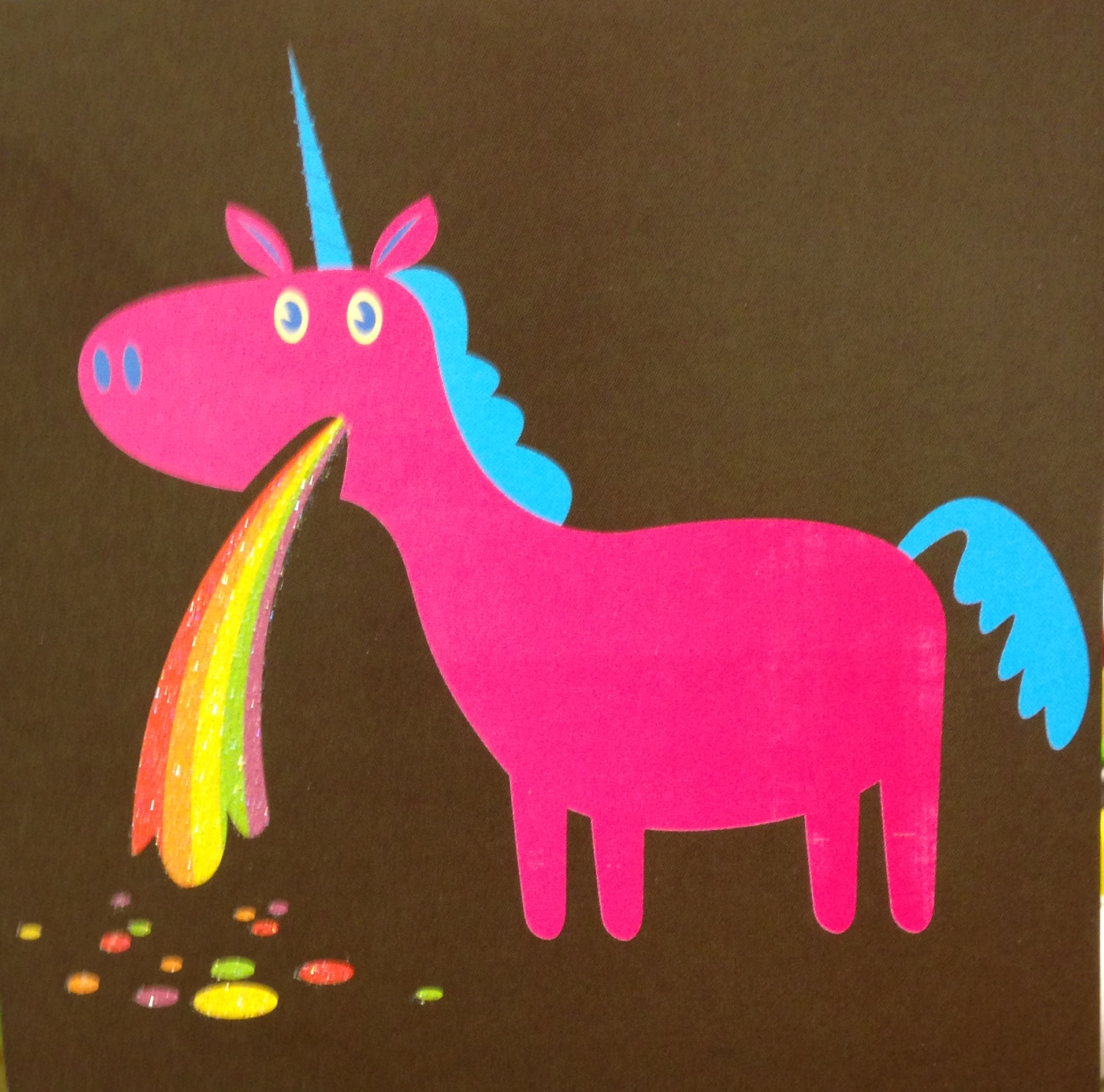
I wanted to write about something that’s been on my mind, and I don’t mean that as a pun; at least, not entirely.
Everyone talks about consumerism. How much we take in at the expense of our wallets, our sanity and our environment. But the other thing we consume in ridiculous quantities is information. According to some statistics out there, the average person consumes about 34 gigabytes of information a day, with some figures running as high as 74 gigabytes. Back in the heady days of 1524, it would have taken an educated person of that period a lifetime to consume that much information. Today, our nimble yet addled brains are capable of storing away about 2.5 million gigabytes in a lifetime; that’s about 2.5 petabytes, or 2,500,000,000,000,000 bytes (2.5 quadrillion bytes if you want to avoid counting all those zeros.) To compare these numbers against what our bodies are capable of processing, the human body sends about 1.375 megabytes of data to the brain every single second. Yet the brain is only capable of processing between 50 and 120 bits per second. Clearly, lots of information is falling through the cracks.
Our capability for paying attention is another issue to consider. The average attention span of us bipedal wonders is about 8 seconds. Let’s just say that our attention is on point for about 8 seconds for each minute of the day. That averages out to approximately 190 minutes or 3 hours in a 24-hour cycle that we’re able to pay proper attention. If we only count the hours we’re awake (and we’ll use a daily 8-hour sleep cycle for this little experiment), that brings our powers of attention down to about 120 minutes or 2 hours in a 16-hour day. To put this into context, goldfish (not the crackers, the real deal) have an attention span of 9 seconds; one more that we, the masters of the universe have. Makes you wonder what they’re thinking of when they watch us from inside their aquarium.
So, we have astronomical amounts of information coursing through our brains, bodies and phones, yet only have about 2 to 3 hours a day to take it all in, assess its value or ramifications, and then take the appropriate course of action. But wait a minute. What about all that information being pumped into our consciousness (and subconsciousness as well) from the media we consume? If we look at that figure of 34 gigabytes, that roughly translates to approximately 100,000 words that we would see, hear or read in a given day. That’s like reading a book the size of The Hobbit every single day. With only 2 to 3 precious hours of lucid attention to play with during that time, how can we possibly determine what is best to consume? And why would we leave those decisions to others?
I know. Too many questions; too much math. My apologies. But perhaps now the title of these scribbles makes a bit more sense. With all of this information to digest in our heads, it seems to me that our brain’s digestive system (aka the cerebral cortex) is going to feel sick at some point, and I simply don’t have the words to describe the imagery of what our brain would look like if it had to throw up.
Well, there is a medical term for describing that rather unpleasant imagery of a brain upchucking data. It’s called Cognitive Overload. This is the indicator whereby your brain is unable to process the information being brought in through auditory, visual and kinesthetic receptors, and the brain is impaired psychologically or emotionally. Apprehension, fear, anxiety, sadness, stress, the feeling of being overwhelmed and mental exhaustion. These create a cognitive fatigue of sorts that can affect your personality and lead you to acquire a penchant for avoidance or isolation to help reduce the information coming in. It can also create a feeling of hopelessness or frustration at not being able to arrive at logical conclusions or decisions, and we run the risk of adopting an attitude whereby we relinquish our decision-making process in favor of following the decisions of the collective.
This is another missive that tempts me to serialize it. But I wanted to keep this simple and more importantly, focused on the crux of the matter. When our brains are overloaded, we basically do not think straight. You may have heard (or even experienced) the inability to think clearly or even retain simple pieces of information or recall memories or tasks when in the throes of sadness, loss, extreme stress or intense shock. That’s normal, and our body and brain are doing what they can to spare us precious mental resources to help us through the challenging period.
But social media is not a normal event; not in the quantities we are made to take in. And by social media I am not singling out any particular informational outlet, app, game or infotainment channel. Social media, in the context of your brain, relates to everything you take in from the moment you wake up until you go to sleep (and even beyond that if you like to sleep with the TV on.) Many of us tend to adopt an innocent sense of security by believing that there are checks and balances that restrict, filter or monitor information that could be potentially harmful, distracting or confusing to us. Well, let’s just say that that thought process puts you on the road to being massively and surprisingly disappointed or frustrated.
Information is like salts, sugars or fats in our diet. The minute we taste them by themselves or in a luscious combination, we simply cannot get enough. But we need to actively take the time to filter out what we would normally consider wrong, improper or basically coo-coo bananas. Because when you’re suffering from cognitive overload – like your taste buds – you’re unable to filter out even the most basic and obvious problems, and instead will either crave more, withdraw altogether, or turn the task of making the decision about what to ingest next to someone else.
This may sound familiar; it should. We’ve all been under the tremendous and unrelenting weight of information overload for years. And I’m not ascribing this to any political party, religious organization, country, region, nationality, ethnicity, etc. I’m attributing it to all of them, combined. Everyone has a voice; everyone has an opinion. And that’s a wonderful thing. But you need to give yourself the time to determine what truly makes the most sense and aligns with your understanding of right or wrong, good or bad, inspirational or infernal. It’s hard to shake off an opinion or idea constructed by others, especially when it bolsters our faith or makes us feel purposeful. It’s like driving; it’s difficult to see where you’re going when the weather is bad or the lights are low, but you still need to press on regardless of the risks because you feel it’s important to get from Point A to Point B. Again, that’s absolutely normal. Sometimes, we just want everything to stop; we want someone else to take the wheel and deal with the task of getting us to our destination. But in doing so, we run the risk of ending up where we would normally never go. In that case, it stands to reason that perhaps it would be best to stop, take a rest, empty your mind, and focus on silence while thinking about where you are and where you want to be. The fear of missing out (or FOMO) will eventually dissipate once you realize that the information you’re choosing to throw away or let go really has no intrinsic power to cause you stress or concern. When you’re able to ingest less of that informational flow, you’ll be able to think better; you’ll be able to see better; you’ll be able to clear your mind. And that will finally allow you to drive yourself to where you eventually want to be.


Leave a Reply