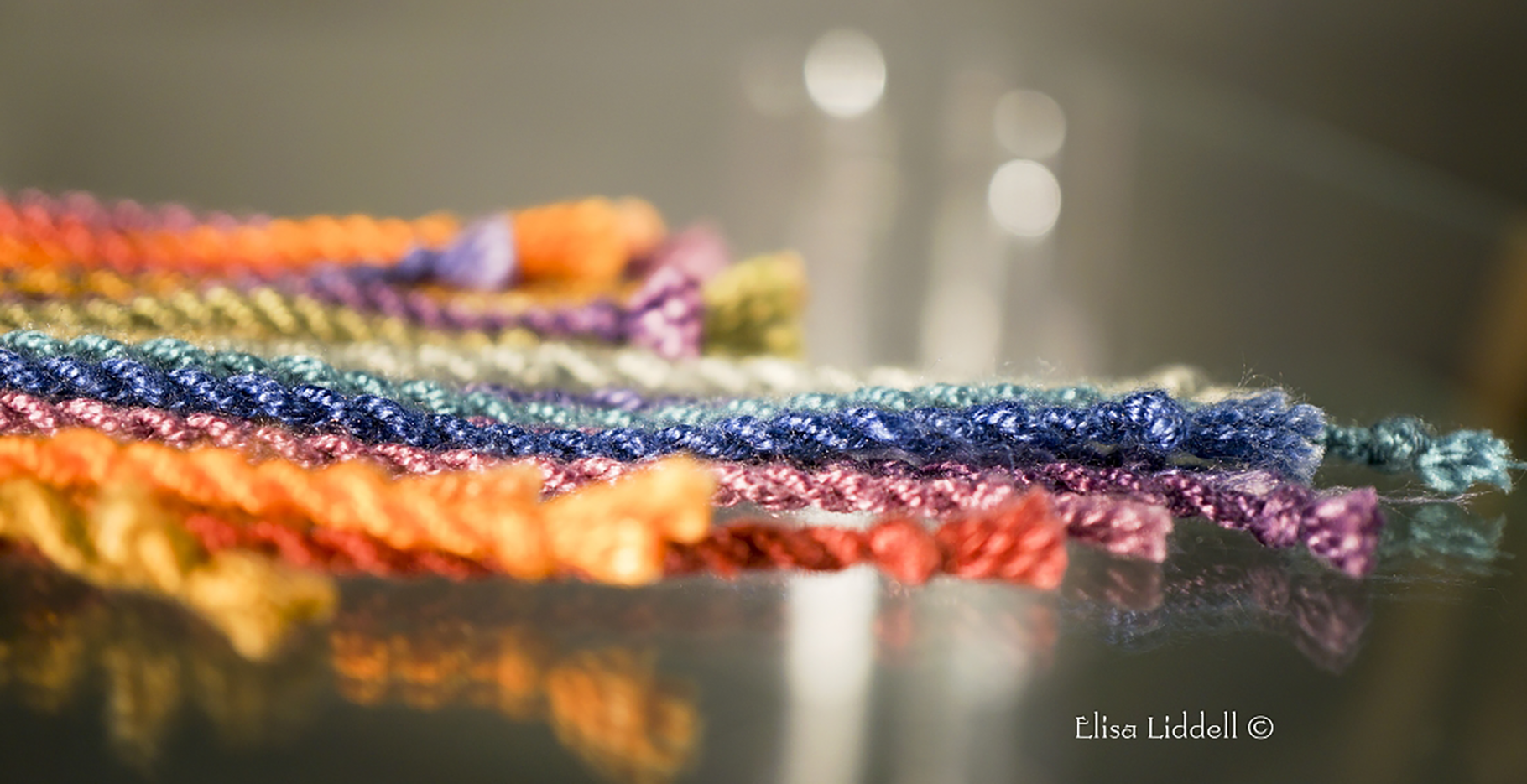
Threads come in all colors, composition, and tensile strengths. Some are perfectly shaped and beautifully woven while others are on their last strand figuratively and literally. Yet despite what they’re made of, they all share an almost universal fate of being part of something else – be it a piece of cloth, tapestry or that high school tee shirt you refuse to part with.
Now, if you Google the word threads these days, you will be regaled with over 4 billion references to the word with top findings related to magazines, forums and even a post-apocalyptic TV movie from the 1980s. Apparently, threads these days are more referential than they are utilitarian. Yet you’ll still find innumerable instances related to the make-up and use of threads and of course, their countless allegorical meanings throughout history. So let’s take a moment to explore the use of threads as a tool.
From the standpoint of communications, we humans create, propagate, explore or alter conversational threads via every possible medium every single day. These composites form a collective tapestry of sorts – clothing or threads, if you will – whose intent is to deliver messages for some constructive, instructive or destructive purpose. And the elemental threads from which they’re made become the catalyst that alters the very color or shape of these metaphorical clothes the more they’re worn or used.
These conversational threads are very much like their functional, wearable cousins. As they travel the technological ether, they collect all manner of cognitive material or debris; the dust of memories, the colors of faces, the flashes of insights and the scents of emotions. These threads make their way through the intellectual collective; they’re worn down by the various choices, circumstances or experiences to which they’re exposed. The effects of love, violence, mistakes, passions, laughter, pain, ignorance or even serendipity give way to changes that alter how (and where) we choose to wear or use these threads. Within our minds, we create looms that pull from spools on which we’ve collected these threads and begin to weave new patterns that take on a life of their own as we throw memories, fears, circumstantial experiences and even seemingly errant or inconsequential moments into the mix. That is quite normal. We all want to wear different threads; to be cool, unique and to express our own voice, opinions, beliefs and inner defiance against the establishment du jour. Many choose to wear the same threads as others to find commonality; to share common beliefs and attributes that help them stand out, to not feel alone, or to substantiate the messaging behind the threads they choose to wear.
But most threads have a shelf life of sorts. The wear and tear they’re exposed to cause them to be, well, threadbare and tattered. Their colors fade or the messaging used to carefully craft these symbolic cloths becomes lost to changing fashions, shifts in the spirit of the original intent, or re-cut or dyed altogether to fit a new form, theme or directive. That’s the lovely yet tenuous aspect of threads. Even when they hang out alone and away from the original construct, we are all tempted to pull on them to either make something whole or unravel it altogether.
This commentary is a thread of sorts. Go ahead; try it on and see how it fits. Stand in front of a mirror and see how it looks. Look at it from different vantage points to see if it complements your figure of speech, the shape of your ideals, or the mood of your beliefs. Walk around in it and see if it moves well with you, or how others react to the new look. And while you’re out taking these threads for a spin, don’t worry about finding others with a similar sense of style until you’ve managed to understand, accept and believe how these threads will suit you.
Leave a Reply